


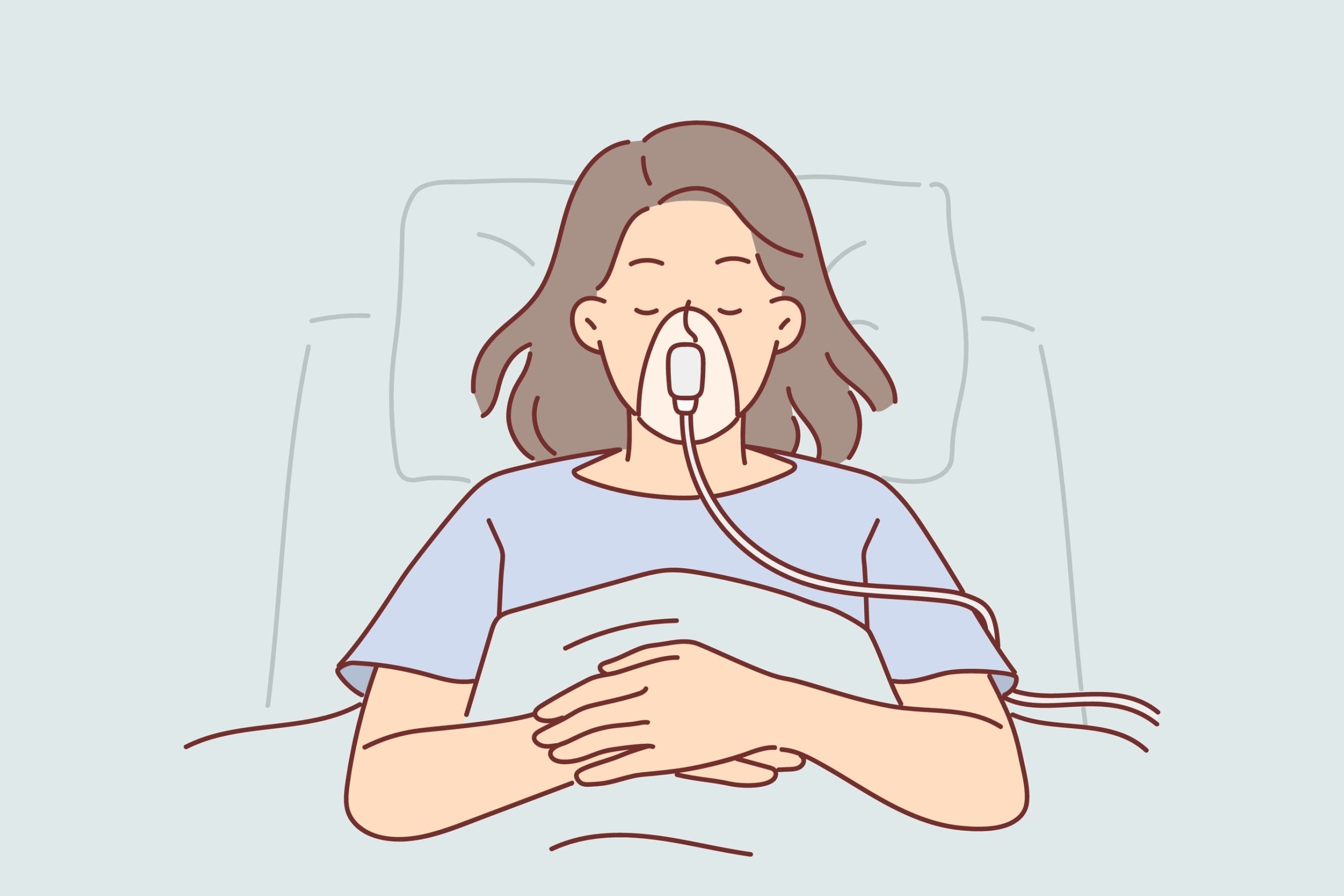
For individuals living with complex neurological and muscular conditions, breathing difficulties and airway management can be difficult.
Many conditions weaken the muscles responsible for breathing and clearing secretions, increasing the risk of respiratory infections, aspiration, and breathing distress.
Our trained and qualified carers are experienced in providing specialist oxygen delivery and suctioning care.
We support individuals with a wide range of conditions that affect respiratory function, ensuring they receive the right level of intervention, comfort, and safety in their daily lives.
Our expert carers provide support for a variety of individuals including:
Motor neurone disease progressively weakens the muscles, including those involved in breathing.
As the condition advances, individuals may struggle to clear their own airways, leading to a build-up of secretions that can cause serious complications such as aspiration pneumonia.
How we help:
Muscular dystrophy causes progressive muscle weakness, which can extend to the muscles responsible for breathing.
Some individuals may struggle to take deep breaths, making it harder to clear mucus naturally, leading to respiratory distress.
How we help:
While not everyone with MS experiences respiratory issues, advanced MS can lead to weakened breathing muscles and difficulties in coughing up mucus.
This can result in a higher risk of chest infections and breathing difficulties.
How we help:
Some individuals with cerebral palsy have difficulty controlling their breathing muscles, which can cause issues with airway clearance and aspiration when food or fluids enter the airway.
This can lead to chest infections and respiratory distress.
How we help:
As Huntington’s disease progresses, swallowing difficulties (dysphagia) can increase the risk of aspiration pneumonia.
This can lead to excess mucus build-up, making breathing more difficult.
How we help:
Individuals with locked-in syndrome have almost complete paralysis but are often fully aware.
Breathing issues arise due to limited ability to clear their own airways, leading to mucus build-up and respiratory complications.
How we help:
A high spinal cord injury can severely impact the muscles responsible for breathing, leaving individuals unable to clear their airways properly. This increases the risk of pneumonia and respiratory distress.
How we help:
Our carers are trained to extremely high standards in managing oxygen delivery and suctioning across a wide range of conditions.
We work closely with physiotherapists, speech and language therapists, and respiratory specialists to ensure that each person receives the best possible care tailored to their needs.
If you or a loved one requires specialist oxygen delivery and suctioning care, our team is here to help.
Contact us today to discuss your needs and find out how we can support you.
